
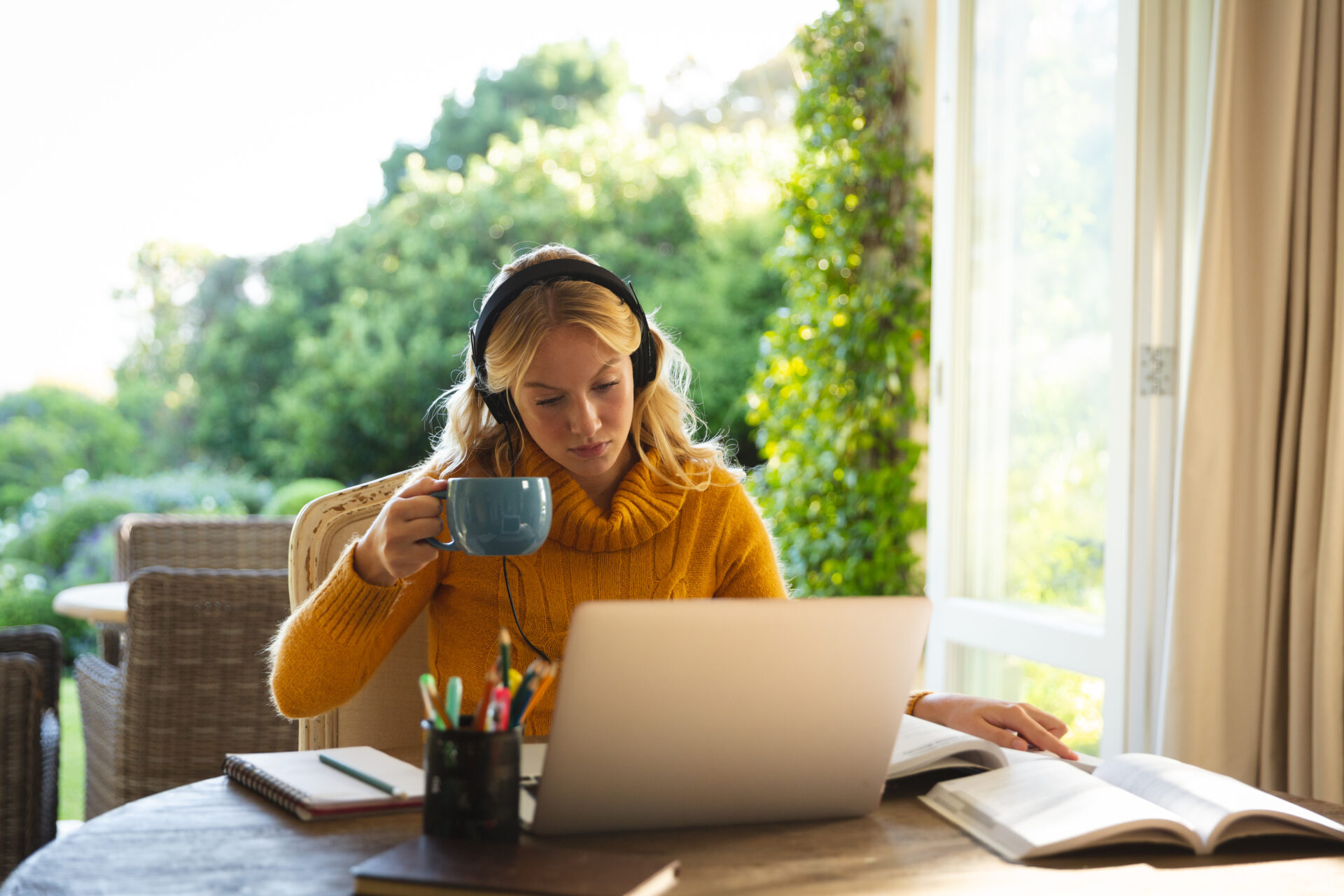
Headphones have become an everyday essential, whether you’re commuting, working out, or just unwinding with your favourite playlist. But as convenient as they are, there’s growing concern about how regular headphone use might be affecting our hearing.
In this blog, we’ll explore how headphones can contribute to hearing loss, and what you can do to protect your hearing.
How can headphones contribute to hearing loss?
Hearing loss doesn’t just happen overnight. In many cases, it’s the result of repeated exposure to loud sounds over time, something known as noise-induced hearing loss. Headphones can contribute to this if you’re listening at high volumes or for long periods without giving your ears a break.
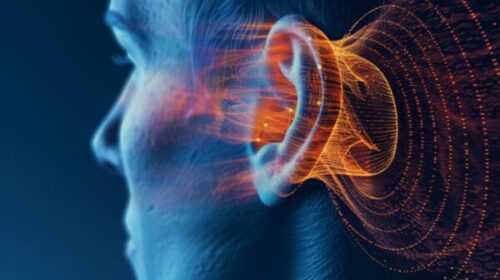
The inner ear contains tiny hair cells that convert sound vibrations into electrical signals for your brain to interpret. These cells are delicate, and once damaged, they don’t grow back. Listening to sounds above 85 decibels (roughly the volume of busy traffic) for extended periods can begin to cause permanent damage. Some headphones, especially when used at maximum volume, can reach levels well above 100 decibels.
Duration matters too. Even moderate volumes can cause harm if you’re exposed for hours at a time. Think of it like sun exposure; the longer you’re out, the higher the risk of damage, even if the intensity doesn’t seem extreme.
Do different types of headphones carry different risks?
Not all headphones are created equal when it comes to hearing safety.
In-ear earbuds
These earbuds sit directly in the ear canal, which can trap sound and increase sound pressure levels. They often encourage higher volumes, especially in noisy environments.
On-ear headphones
On ear headphones rest on the outer ear and allow a little more air circulation, which can slightly reduce the intensity of sound entering the ear.
Over ear headphones
Over ear headphones tend to offer better sound isolation, meaning you can usually listen at lower volumes without losing clarity.

Do noise cancelling headphones protect your hearing?
Noise cancelling headphones can actually help reduce your risk of hearing loss if used correctly. By blocking out background noise, they make it easier to listen at lower volumes. However, they’re not a free pass to crank up the sound. If you’re still listening loudly for long periods, the risk remains.
It’s also important to note that active noise cancellation doesn’t eliminate all sounds. Sudden loud noises, like sirens or alarms, can still be harmful if your volume is too high.
Tips to prevent hearing loss when using headphones
The good news is that you don’t have to give up headphones to protect your hearing. Here are some simple steps to reduce your risk:
- Follow the 60/60 rule, listening to no more than 60% of maximum volume for no longer than 60 minutes at a time.
- Take listening breaks to give your ears time to recover, especially after long sessions.
- Choose noise cancelling or over ear models, as these reduce the need to turn the volume up.
- Use volume limiting settings. Many devices now have built in features that cap maximum output levels. #

Hearing consultations with Sutton Hearing Centre
If you’re concerned that your headphone use might be impacting your hearing, it’s always wise to get checked sooner rather than later. Even small changes, like turning up the volume, can be signs that your hearing needs a little extra attention.
At Sutton Hearing Centre, our experienced audiologists provide comprehensive hearing assessments to get a clear picture of your hearing health.